




Climate neutral by 2050
Brands On has the ambition to become climate neutral by 2050 and has the objective to reduce 25% by 2030. The first step in this reduction process is to calculate and provide insight into the CO2-footprint. For these calculations, we use the principles of the greenhouse gas protocol. Furthermore Brands On partnered with Anthesis to give guidance and advice in this project.
The first milestone was the carbon footprint calculation of the organization.
- scope 1: natural gas, lease cars and company cars (diesel)
- scope 2: electricity, lease cars and company cars (electric)
- scope 3: water, commuting, paper and flights
Subsequently, the product footprints were calculated. Brands On collected relevant data from the supply chain and transformed it in a CO2eq footprint. Anthesis assisted with the data collection and we kept an eye on the quality of the data. Primary data was gathered fased on the process flow. Emission factors were mainly taken from Ecoinvent, for a few factors supplemented from other data sources.
Comparison of the organization footprint with the product footprints, leads to the focus of the reductionplan on products rather than CO2 improvements in the organization footprint. Of course, Brands On will keep on motivating its staff to come to work with bicycle, including the bicycle lease plan. We will also pursue solar supply for the building and gradually replace our car fleet with electric cars. Brands On will continue with these improvement projects. But we can make the most impact by focusing on the reduction on the product side.
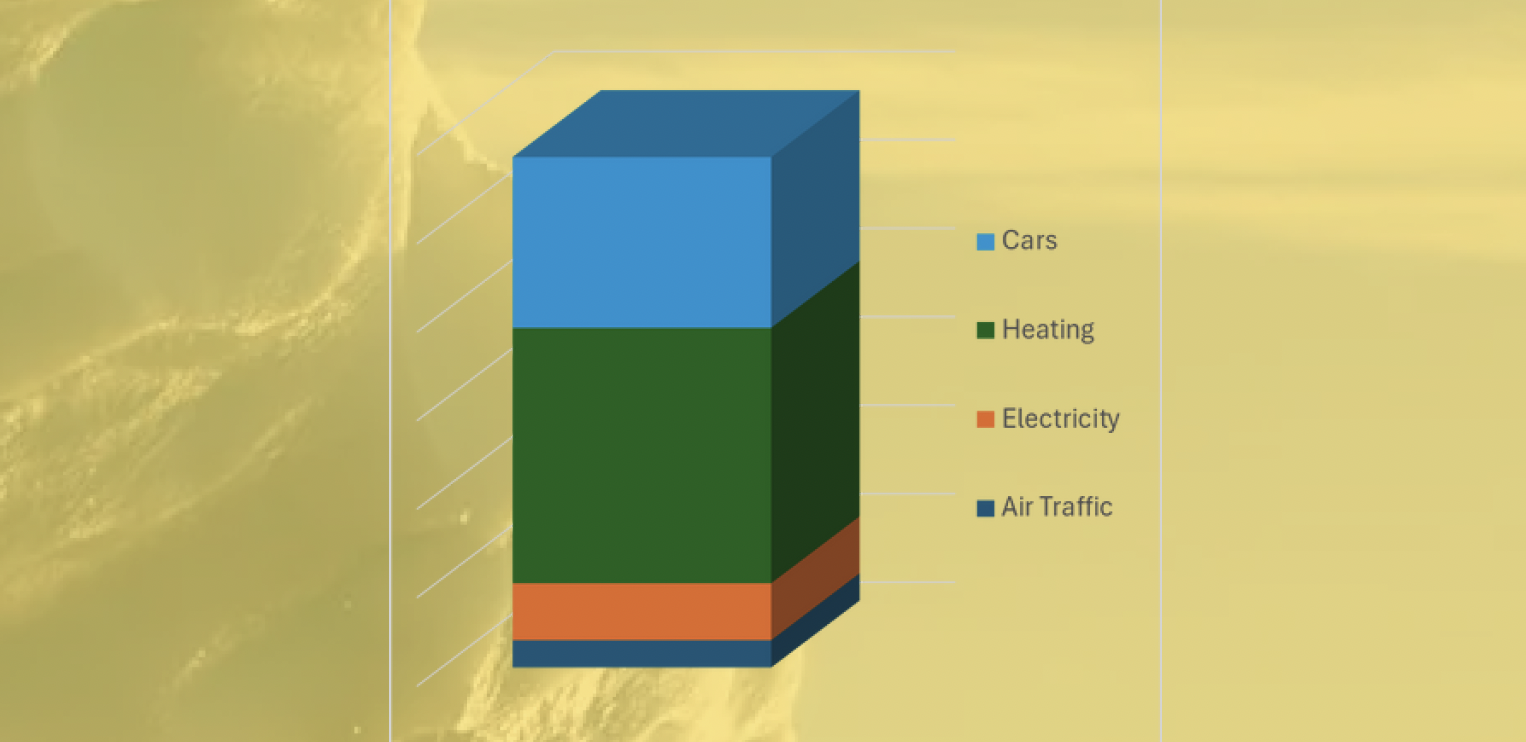
Carbon Footprint of the organization
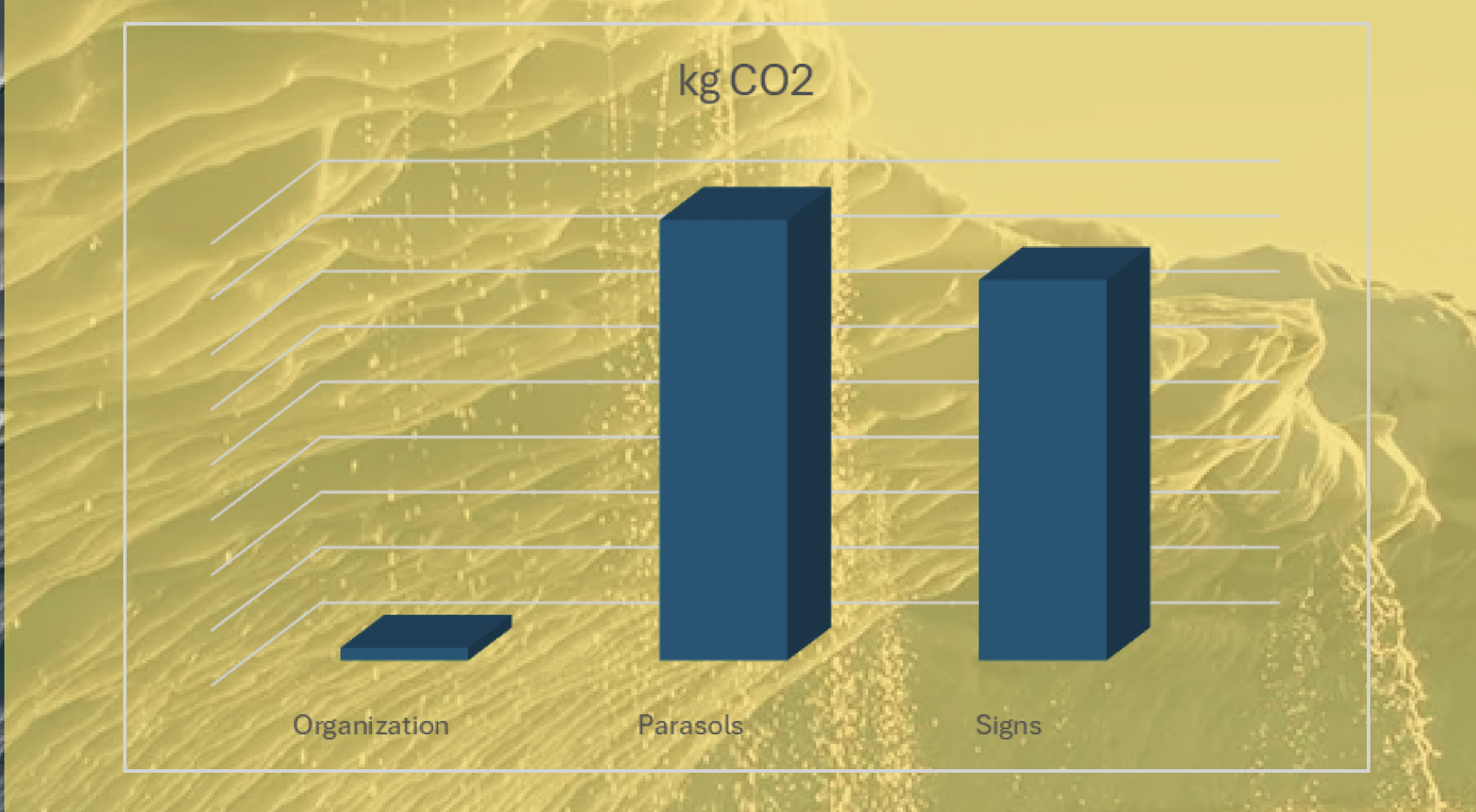
Carbon Footprint of the products versus the organization
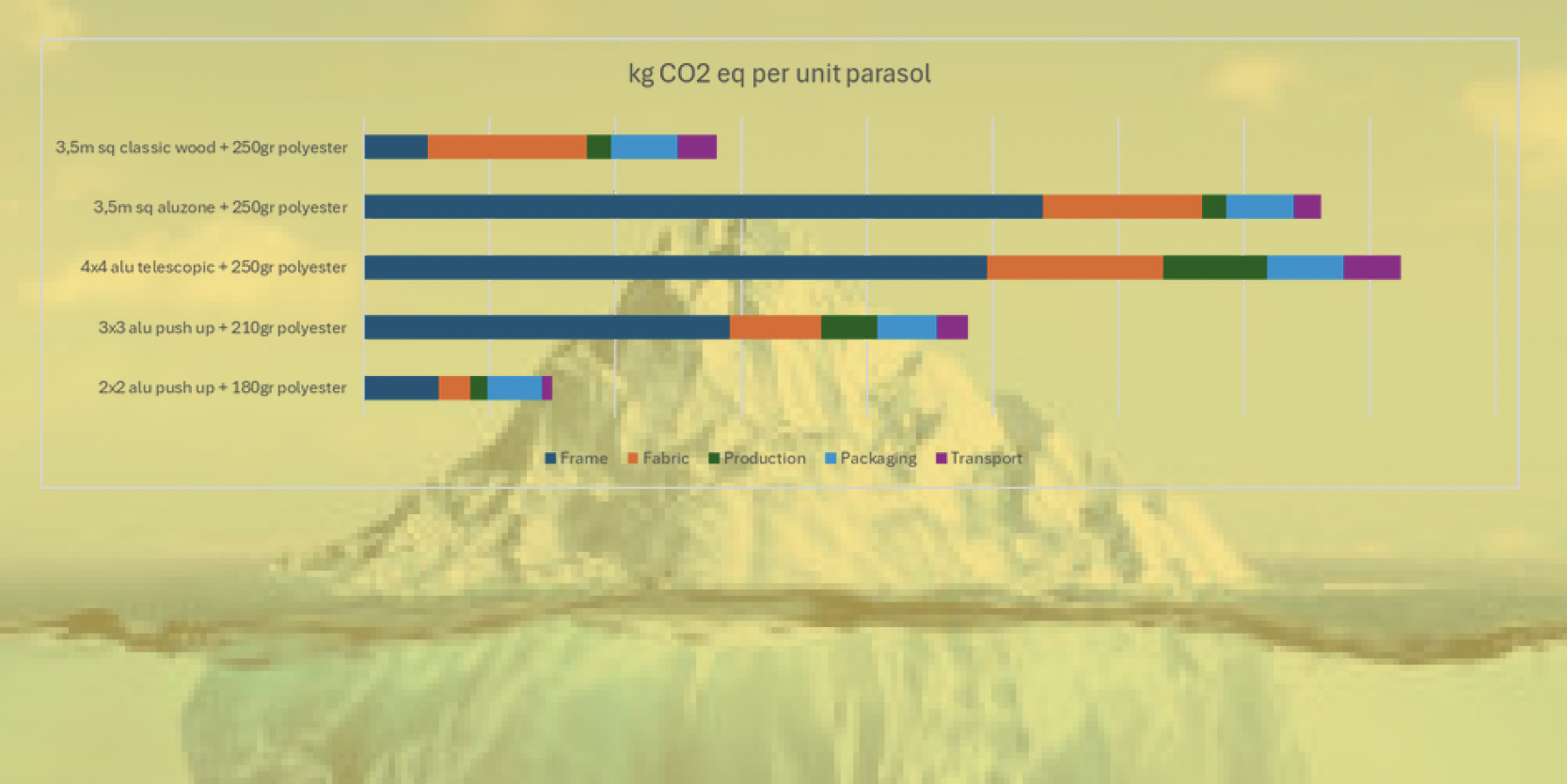
Carbon Footprint of a parasol
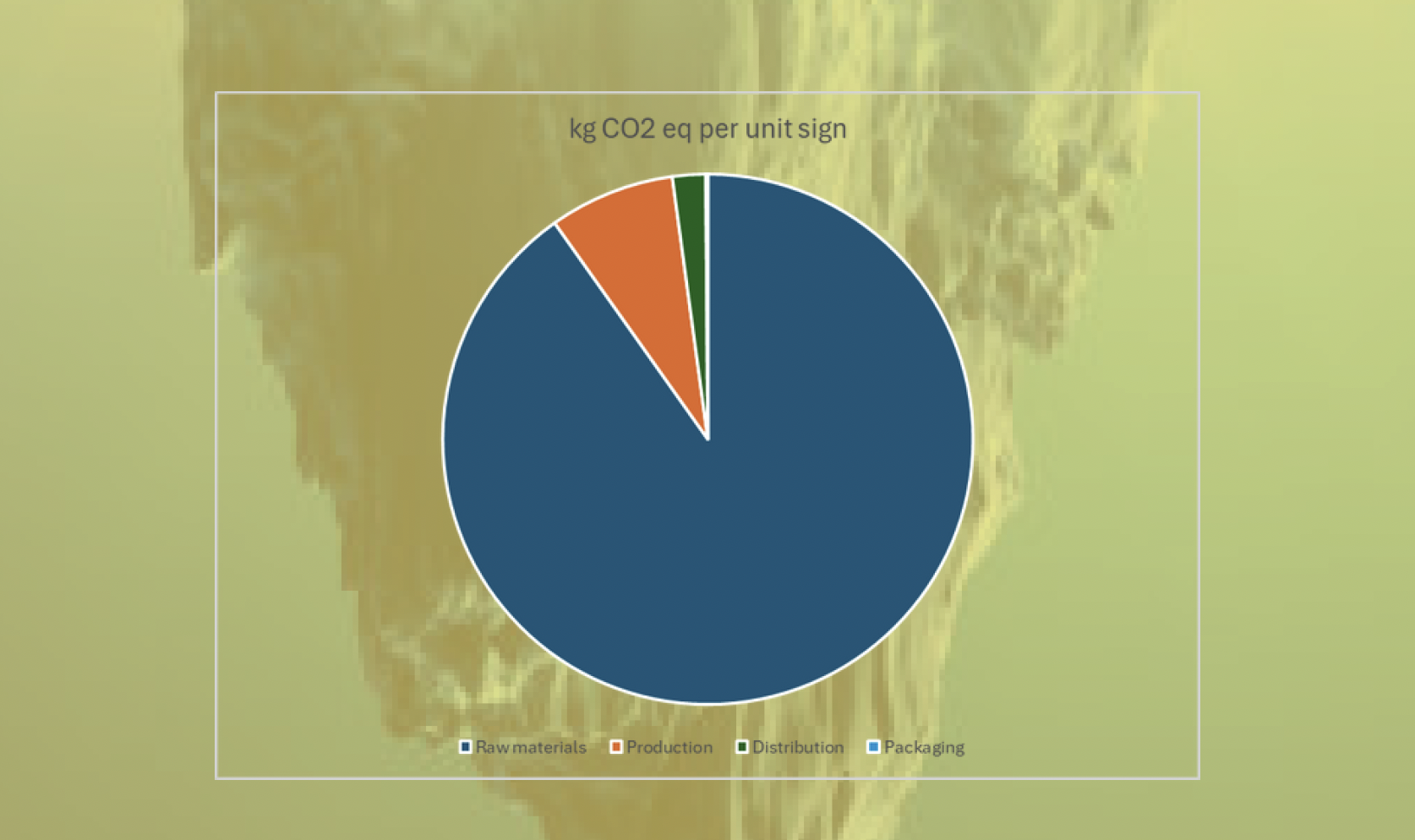
Carbon Footprint of a sign
Focusing on the reduction of the footprint of our parasols and signs, we assessed the figures as shown in the graphs. These figures clearly indicate that raw material (blue and orange for the parasols and blue for the signs) dominates the footprint. Therefore it makes sense to address raw material to reduce our footprint.
Raw materials
The graphs show the distinct difference between a wooden parasol and an alumium one. The CO2 footprint of wood is many times lower than aluminium. Next to wood, the use of recycled materials would influence the footprint drastically. Therefore Brands On offers its customers RPET fabric as well as recycled aluminium. Note here is the uncertainty of supply of recycled raw material and the lack of suppliers with the Global Recycled Standard, making wood still the most reliable sustainable option.
For the signs, our focus is on the PCB (printed circuit board). The goal is to innovate either the PCB or the signs. Making the PCB more climate neutral or developing alternatives signs that are still attractive for the market.
Service
Finding more sustainable solutions for raw material is one option. Of course one could also invest in the long life of the product.
Our servicing models and PAAS (parasol as a service) improve the life cycle of the parasol tremendously. Keeping control over the maintenance of the product not only guarantees a nice parasol year after year, but also creates an opportunity to recycle, refurbish or reuse at the end of the life cycle.